
The FIFA Football World Cup whips up excitement in all corners of the globe every four years. It is a chance to see world class players in a different setting, playing for their national teams.
For some, a bet might be a one-off bit of fun that they do occasionally during high profile sporting moments. But some are driven to keep placing bets to the detriment of their financial, social and mental wellbeing. Events like this can elevate their compulsion to bet even more.
 Why does THIS World Cup present an issue?
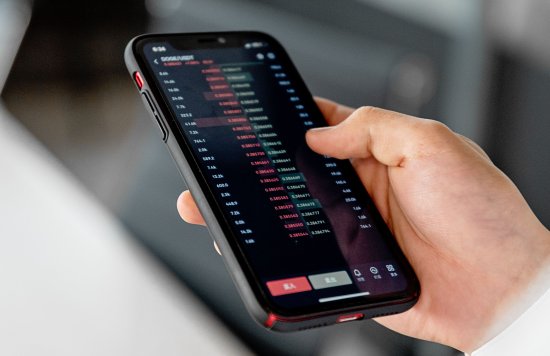
Because of the time difference between here and North America, football matches will be shown in the UK overnight, exactly the time when people (mostly men aged 18 to 40 who participate in risky gambling) place solitary, real-time bets.
This tournament is a week longer than previous years (there are 104 matches) so there are more opportunities to view matches and engage in betting on the side you think will win. With betting processes mostly online these days, family members may not be aware that someone has a gambling issue – until bills stop being paid or they become aware of high-interest loans/payday loans taken, or high-risk loans from unofficial sources. It can have catastrophic impact on family relationships and lead to extreme poverty. It is estimated that people gambling online in the UK last year lost £7.8 billion.
Personal Impact
It is easy to become isolated and lonely as a result of gambling, and embarrassed to speak to anyone else about what you are going through. It’s not just about losing money. Negative impacts on mental health are very common – people experience anxiety, depression and stress, and the effects on loved ones can be just as bad. People can lose their jobs, their homes, their families. Some may commit crimes to continue to gamble.
The Gambling Industry
But it can be hard to resist having a flutter. The gambling industry spends £2billion a year on advertising and they have increased their marketing to extract maximum profits during the World Cup. The gambling industry uses these "gateway events" to promote addictive products as a social norm. In fact, they started their campaigns months ago to stimulate anticipation and build excitement. Such campaigns are often fronted by popular sporting celebrities or relatable characters to reassure and create a connection. Gambling organisations use tactics they know will trigger a bet – especially amongst those who tend to take risks. People with a gambling issue are 9 times more likely to be targeted online with the offer of a free bet.
Managing Gambling
A gambling addiction is not broken in one single moment. These gambling products are engineered to keep you in a loop of chasing your losses. It's an exhausting cycle, but it isn't your fault. But if you recognise the patterns, you can reclaim your time from addictive apps and break the cycle.
Strategies can include simple steps like having cool-off periods for 24 hours/a week when you can calm down, reset and manage impulsive behaviour. Or setting rules for yourself like your maximum bets per day/week, having days off, not betting when you’re drinking alcohol, and tracking your bet results and the money you have laid out – to see the real picture.
Getting Support
There are a number of organisations that specialise in supporting people to interrupt behaviour patterns to take control. Advice can include removing betting apps, tracking your moods and urges, understanding your own psychology around gambling, and reading about research into gambling processes to understand why you feel drawn into betting.
GamCare - Founder of the National Gambling Helpline Home
GamFam – for individuals and family affected by gambling
NHS Gambling Clinic - free and confidential NHS service supporting people who are experiencing harm from gambling. Supporting young people aged 13 to 18 from anywhere in England, and adults 18 and over in London and the South East.
NHS East of England Gambling Service - free and confidential NHS service supporting people who are experiencing harm from gambling in Luton and Bedfordshire.
The first step is to speak to someone about what is happening. All the above organisations have a phone line that you can call.
Gambling Stats
- It is estimated there are over a million people in the UK with a gambling problem (CEGA)
- You are 9x more likely to be offered a free bet if you have a gambling problem (Gambling Commission 2023)
- Legal gambling advertising estimated to be around £2bn a year in the UK
- Illegal and harmful gambling ads remain widespread online (Gambling Commission)
- Spikes in high-risk searches take place between 11pm-4am even without a global sporting event happening