
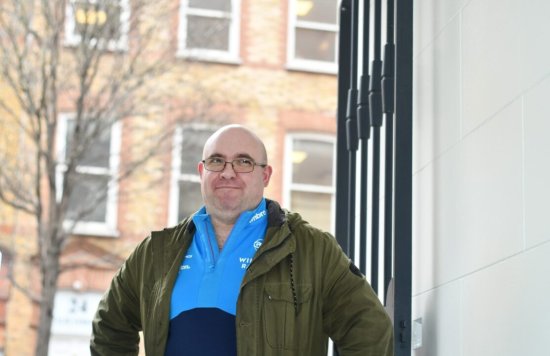
Following a late diagnosis of autism, Christopher Baker became involved with a NHS initiative to meet the specialist needs of local people. In this interview, Christopher talks about how he now understands himself better, the importance of challenging misinformation, and how he balances his many interests!
Looking at everything you do, how do you fit everything in?
Well, I ‘was’ on the collaborative committee (laughter) but I’ve come to the end of my term so I’m now sitting on a number of different projects, mainly Project Social!*
I work for the London Ambulance Service full-time in the logistics and operational side. Alongside this, I love photography! It’s a hobby of mine. I’m also a fan of both Formula One and Leeds United football club… which, is a bit uncommon in London I guess! As I work nights, I suppose sleep has become a bit of a hobby as well!
How did you get involved in all this?
I have lived in London for over 7 years. I’m originally from sunny Bournemouth in Dorset! I was brought up in Wareham and then moved to London. I got diagnosed with Autism through the adult autism service in Tower Hamlets. I attended and still attend their Wednesday meetings. It was through those meetings that I heard about people participation and about the collaborative that was being set up. Fast forward two years and here we are!
What prompted you to seek an autism assessment?
It was my sister, actually, who got me thinking about the possibility!! My nephew has autism too and it was the signs my nephew was showing, that led my sister to be like: “You might be autistic!” So I thought about it a bit, went for an assessment, and got diagnosed with autism! My nephew got diagnosed shortly afterwards.
I was 38 when I was diagnosed which was quite late in my life, shortly before the pandemic. I trust my sister immensely so I am glad she pointed it out. There were also work colleagues who had mentioned that I may be autistic too, as they had loved ones who were autistic.
At first, I wasn’t keen on the idea of having a diagnosis because it was just another thing to add to the long list of things. But I decided it was the right thing to do. Also, I decided to do it for my nephew and see if I could model anything useful from it to him.
Did being diagnosed with Autism come with any challenges or answers?
It has certainly shown me that a lot of the issues I faced in life are, and have been, more difficult than they had any right being, probably due to autism. It has also shown me the importance of routine and structure. So on Sundays, I have a routine where I must clean and tidy my flat, get my laundry done, and plan the week ahead. All things that used to overwhelm me and get away from me really. I need to keep on top of that stuff weekly.
It also helped to explain why some things in my school life hadn’t necessarily been picked up on or were just brushed off. There wasn’t an answer for those things back then.
There was a point in my life where I genuinely thought I was going crazy with how overwhelmed I was getting. At the time, I just really didn’t know what was going on. I became really worried about the stigma of being labelled as ‘crazy’ and how that might affect my job.
Did the diagnosis raise any questions for you?
I was left frustrated as to why I wasn’t the type of autistic that could count cards or make millions from inventions! Like some media says I can! Hahaha!
But in all seriousness, I do think autism affected my ability to work in my previous job and really made it a difficult job to do. On the flipside, it has made me appreciate my skills-set and the jobs I am far better suited to.
I am worried though about how the world will continue to see people like me with the current rhetoric surrounding people with autism and learning difficulties.
How was it being on the Collaborative Committee?
So it entailed attending meetings, reading papers, doing research and speaking in meetings too. I started as a deputy, then was brought up to be a Member when some people left. It really felt good having an equal say and being in the room where it all happens! It meant so much to be part of it and having my views and ideas respected. I want to see change but not just ‘see’ the changes, I want to be involved in them and play a part in making them happen.
Given your lived experience, and the experience with being on the Committee, if you could click your fingers and make three things happen, what would you do?
I think there needs to be a better partnership between the NHS in north east London and Transport for London. Maybe the setting up of a working group to better support people with mental health, learning disabilities and autism to have better access to their communities and to make London accessible to all.
I also think hospital security staff need to be better trained to assist and aid people in crisis, not just remove them and see them as a ‘problem’. I think security staff should be given more tools and training to ensure the safety of everyone, not just those who aren’t finding it difficult.
Lastly… social media really needs to be taken seriously. Especially the way people view it and use it. Social workers and social services should be able to review social media more! It’s in the name! Sometimes for people with MHLDA, social media use is their only accessible means to achieve being social. It can do so much harm to people if it’s left unchecked.
What advice do you have for those starting their journeys to recovery? Any key words of wisdom?
Fact check everything!
Actively participate in your care!
Be fully informed and be cautious about what you read online.
Really challenge misinformation!
And if you’re worried about the diagnosis itself, I would still look into it, because there might be related health problems that come with an MHLDA diagnosis.
Overall, I’d say join the lived experience leaders group! Get involved with the committee! I thoroughly enjoyed it (bar reading all the papers! Hahaha. The papers are a lot!) But being part of something is so important be it a community group, a GP practice group, board of governors… anything! Being a part of something bigger than yourself is just so important.
* Project social is a project aiming to develop an inclusive digital platform and voice, tailored to the mental health, learning disability and autism communities, fostering service user-led communications to combat isolation, misinformation, and stigma. By placing individuals with lived experiences at the forefront, the platform ensures authentic representation, dismantles barriers to support, and promotes a more informed and inclusive understanding of mental health, learning disabilities and autism.