Referrals can be made via your GP. Your GP should send referrals to the Community Integrated Mental Health Service (CIMHS) at elft.newham-pcns-referral-inbox@nhs.net.
CIMHS will screen and pass appropriate referrals on to NEIS.
Please note: This website is best viewed in a modern browser like Chrome, Edge or Firefox. We no longer support Internet Explorer 11.
The Newham Early Intervention Service (NEIS) assesses and works with people between the ages of 18 to 65 who are experiencing a First Episode of Psychosis, and with their network of family/friends.
NEIS provide clinical care for up to three years, aiming to reduce the impact of psychosis by reducing the ‘duration of untreated psychosis’ and engaging clients in biopsychosocial interventions such as medical treatment, psychological therapy and family work, as recommended in the NICE guidelines.
Appleby Health Centre
63 Appleby Road
London
E16 1LQ
United Kingdom
What is psychosis?
Psychosis is a type of mental health problem. Experiencing an episode of psychosis might involve some of the following;
Why is Early Intervention in Psychosis important?
Early care and treatment for a first episode of psychosis is important to support the best recovery outcomes.
There is evidence that early intervention for people experiencing psychosis can:
What can EIS offer?
Our team provides different types of interventions and support. The following six are the main ones:
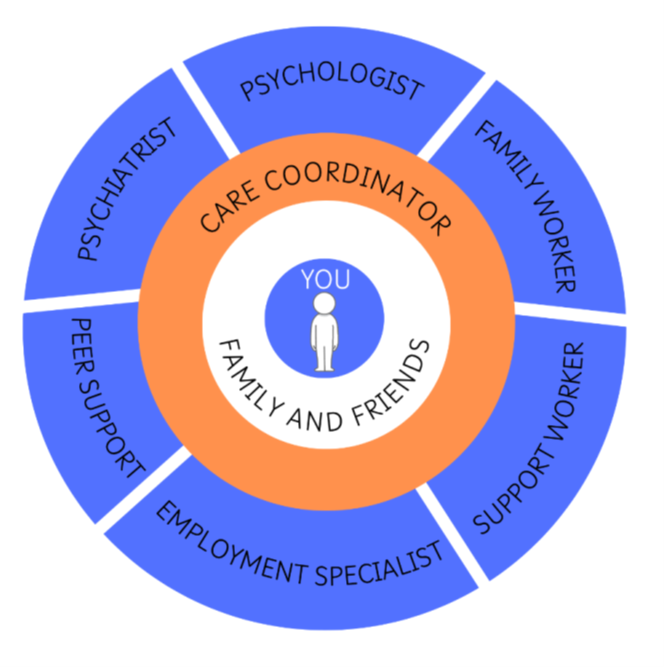
Who will I meet in NEIS?
We are a multi-disciplinary team made up of a range of different professionals. We aim to work together with you and your family, or those involved in your life, to support you. This image shows the range of team members who may be involved in your care.